Are air source heat pumps worth it on a hot tub?
9 August 2026
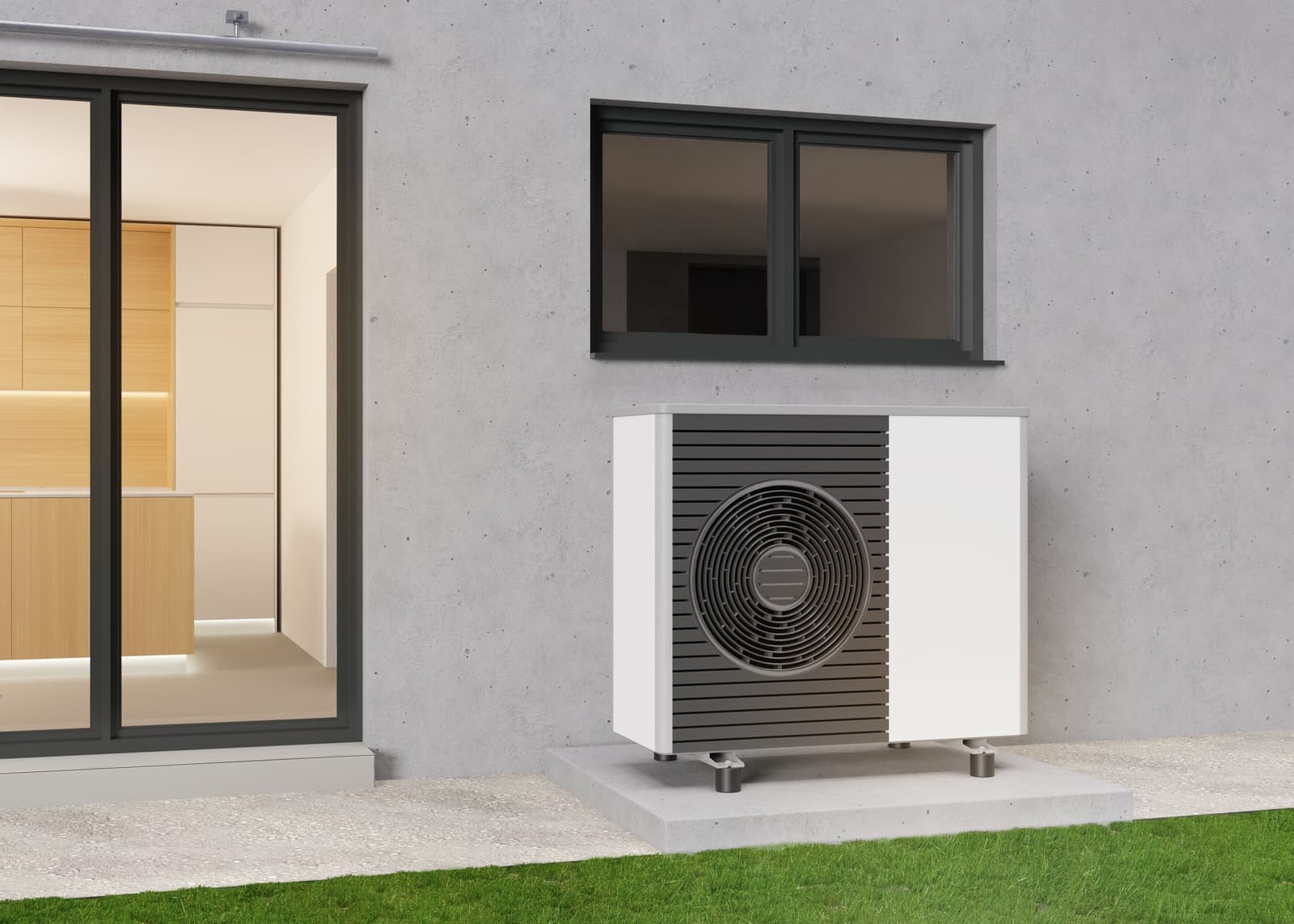
Heat pumps have gone from a niche add-on to something we are asked about weekly. The short answer is that they are worth it for most people who use their spa year-round, and less obviously worth it if you do not. Here is the reasoning.
How they actually work
A standard hot tub heater works like a kettle element. Electricity goes in, heat comes out, and the relationship between the two is roughly one to one. There is a hard ceiling on how efficient that can ever be.
An air source heat pump does something different. It does not make heat, it moves it — pulling warmth out of the outside air and transferring it into the water, using electricity only to run the process rather than to produce the heat itself. It is a fridge working in reverse. Because it is moving energy rather than creating it, it can put several units of heat into the water for every unit of electricity it consumes.
That is where the saving comes from, and it is why the figures sound implausible at first. Our suppliers put it at up to seventy-five per cent against a standard heater, and while any “up to” figure describes good conditions rather than every day, the direction of travel is real.
Where the savings actually land
Heating a spa splits into two jobs: bringing it up to temperature from cold, and holding it there. Almost all of your running cost is the second one. A spa sitting at thirty-eight degrees is losing heat to the air continuously and topping itself up all day and all night, whether anyone gets in or not.
That constant topping-up is exactly what a heat pump is good at — long, steady, low-intensity heating. It is less dramatic at heating a cold spa quickly from scratch, which is why most installations keep the standard heater in place alongside it and use both.
The honest limitations
A heat pump pulls heat from the air, so it works less efficiently as the air gets colder. On a mild autumn day it is excellent. In a hard frost it has less to work with and the standard heater does more of the lifting. It still works — it just is not saving you as much on the coldest days of the year, which happen to be the days you are using the most energy.
It is also a physical box that needs siting. It requires clear airflow around it and it makes a noise, roughly comparable to an outdoor air-conditioning unit. That is worth thinking about in a small garden, or under a bedroom window.
Who it makes sense for
If you use your spa all year, a heat pump is straightforwardly worth having and will pay for itself over time. If you are a summer-only user who covers up in October, the case is much weaker and the money is better spent on a good insulated cover.
Over twenty of the spas we stock include a five kilowatt air source heat pump at no extra cost, which removes the maths from the decision entirely on those models — you are getting the running-cost benefit without the upfront one to weigh against it. If you are choosing between two similar spas and one of them includes a heat pump, that is a genuine and lasting difference, not a sales sticker.
The thing that matters more
Before spending anything on heating technology, look at your cover. A worn, waterlogged cover that no longer seals will cost you more every month than a heat pump will save you. Heat leaves through the surface faster than anywhere else, and a good cover is the cheapest efficiency upgrade there is.
Questions about your setup?
Tell us your space and how you'll use it — we'll tell you which spa fits and what it'll cost to run.
Ask us